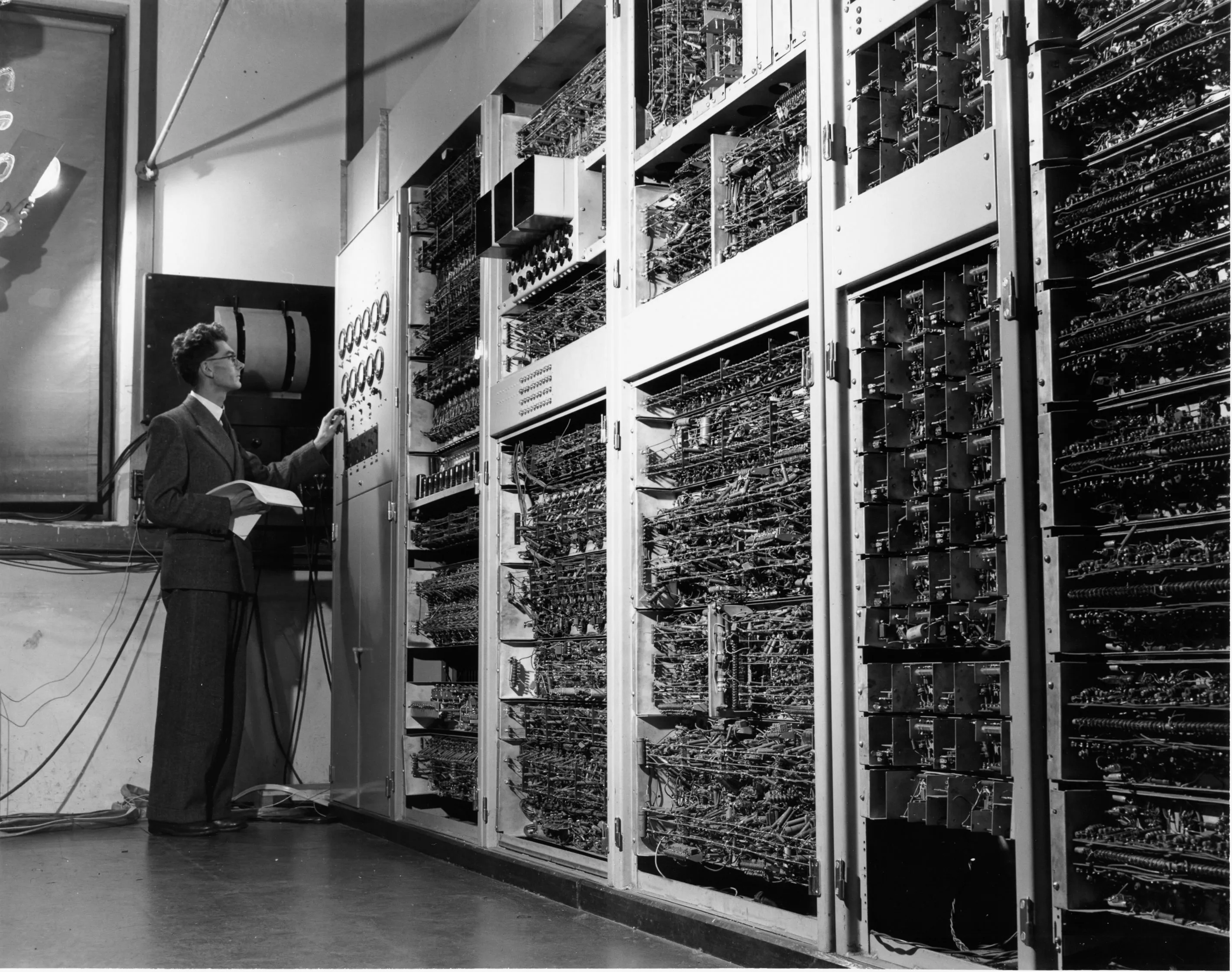
From Server Rooms to the Stratosphere
From Server Rooms to the Stratosphere: The Energy-Saving Case for Cloud Migration In the evolving landscape of enterprise IT, the shift from traditional, locally hosted server applications to cloud-hosted environments is no longer just a matter of scalability or cost—it’s a strategic move toward sustainability.
The Legacy Burden: Energy-Hungry Infrastructure
For decades, businesses have relied on on-premises servers housed in data rooms or private data centers. These setups demand constant power for:
Running physical servers
Cooling systems to prevent overheating
Redundant power supplies and backup systems
Even modest server rooms can consume thousands of kilowatt-hours annually, contributing significantly to an organization’s carbon footprint.
The Cloud Advantage: Efficiency at Scale Cloud providers like Microsoft Azure, AWS, and Google Cloud operate hyperscale data centers designed for maximum efficiency. These facilities benefit from:
Advanced cooling technologies (e.g., liquid cooling, AI-optimized airflow) Dynamic resource allocation, reducing idle server time Renewable energy sourcing, with many providers committing to 100% green energy According to a 2020 study by Microsoft, moving to the cloud can be up to 93% more energy-efficient and up to 98% more carbon-efficient than traditional enterprise data centers.
Beyond Infrastructure: Smarter Applications Cloud-native applications are built to scale elastically, meaning they only consume resources when needed. Combined with AI-driven workload optimization, businesses can:
Reduce overprovisioning Automate shutdown of idle resources Monitor and optimize energy usage in real time The Carbon Dividend For organizations with ESG goals, cloud migration offers a measurable path to carbon reduction. By transitioning workloads to the cloud, companies can:
Cut emissions from IT operations Reduce physical hardware waste Support global sustainability targets A Strategic Imperative The transition to cloud-hosted applications is no longer just a technical upgrade—it’s a climate-conscious decision. As regulatory pressure and stakeholder expectations grow, businesses that embrace cloud transformation are not only future-proofing their operations but also contributing to a greener planet.